0
-
SU CARRITO ESTÁ VACÍO
No tiene ningún artículo en su carrito de compras


Dispelling common casino myths What you need to know
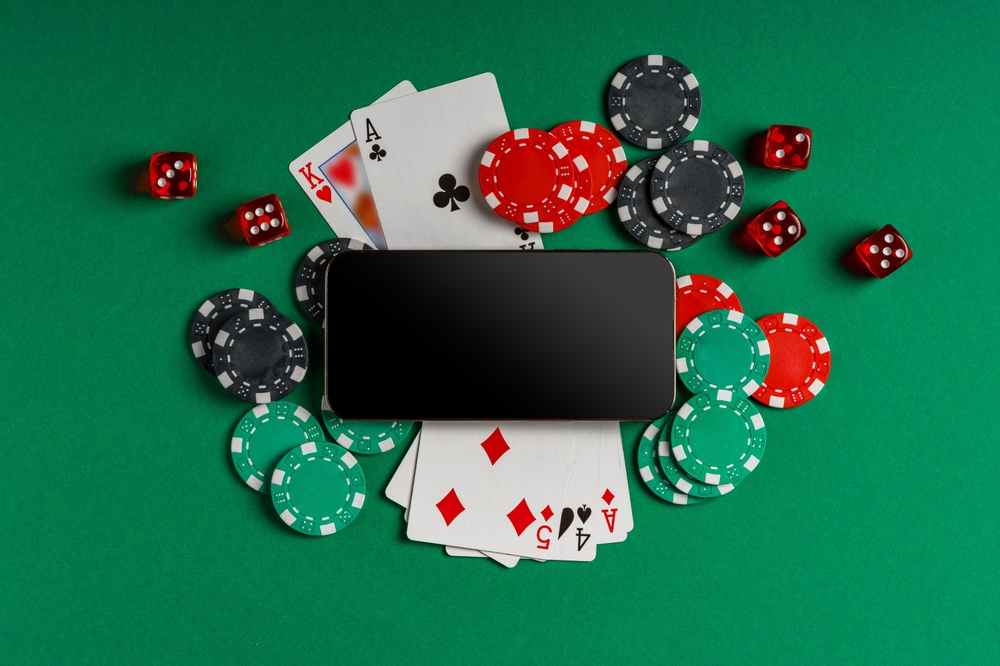
One of the most pervasive myths in the casino world is the gambler’s fallacy, which suggests that past events influence future outcomes in games of chance. Many players believe that if a number has not come up in a while, it is “due” to appear soon. However, each roll of the dice or spin of the slot machine is an independent event governed by probability, meaning that previous outcomes do not affect future ones. To truly enjoy gaming, consider visiting the best online crypto casino for a modern take.
Understanding the concept of odds can help mitigate this myth. Casinos are designed with a house edge, meaning that over time, the games are structured to favor the establishment. This does not mean that players cannot win; it simply implies that the chances are mathematically against them, regardless of past events.
Another common myth is the belief that players can exert some control over the outcome of games, especially in electronic machines or table games. Many gamblers may use rituals or specific betting strategies, thinking they can sway the results in their favor. In reality, most casino games rely heavily on random number generators or shuffling algorithms that ensure outcomes are completely random and unchangeable.
This illusion of control can lead to irresponsible gambling practices, where players continue to invest time and money based on the false hope that they can manipulate the game. Accepting that chance plays a significant role in these activities is crucial for maintaining a healthy relationship with gambling.
Players often talk about “hot” and “cold” streaks in gaming, suggesting that certain machines or tables are more favorable at times. While it may seem like some slots are paying out more frequently or that dealers have better luck during specific sessions, these patterns are purely anecdotal. Statistically, the performance of each game does not change based on previous outcomes.
This belief can lead players to make impulsive decisions, chasing after perceived winning machines or tables. Instead, it’s essential to approach casino games with a focus on enjoyment rather than a belief in temporary trends or patterns that do not exist.
Many new players enter casinos unaware of the fundamental business model: the house always has an advantage. This reality is often downplayed or ignored in discussions about gambling strategies. While players can win in the short term, the odds are structured to ensure that, in the long run, the casino will come out ahead.
Understanding this principle is vital for responsible gambling. It allows players to set realistic expectations and limits, helping to ensure that gambling remains a form of entertainment rather than a financial strategy. Responsible gambling practices, such as setting budgets and recognizing when to walk away, can help maintain a healthy approach.

Transatlanticbusiness.org serves as a valuable resource for professionals and organizations navigating the complexities of international business, including those involved in the gaming and hospitality sectors. By fostering connections and collaboration across the Atlantic, this platform empowers users to exchange knowledge and insights relevant to their industries.
Whether you are involved in casino operations or simply interested in the broader implications of gambling in global trade, Transatlanticbusiness.org provides the tools and resources to help you stay informed and connected. Join the community today to unlock new opportunities and expand your professional network in the ever-evolving landscape of cross-border business.